Metal Roofing vs. Asphalt Shingles: Which Is Right for Your Home?
Choosing a new roof is about more than picking a color. Your decision affects how well your home handles rain and wind, how much maintenance it needs, and what you may spend over the coming decades. For homeowners around Monroe, the choice often comes down to two proven options: metal roofing and asphalt shingle roofing.
Both materials can perform well in the Pacific Northwest when installed correctly. Metal stands out for longevity, efficient rain shedding, and low maintenance, while asphalt shingles offer a lower initial cost and broad design flexibility. This comparison explains the differences so you can choose based on your home, budget, and long-term plans.
Durability and Performance During Wet Weather
A roof in this region must manage prolonged moisture, wind-driven rain, falling branches, and debris such as Douglas fir needles. The convergence zone can also produce localized downpours and gusts that expose weaknesses around valleys, flashing, skylights, and other penetrations.
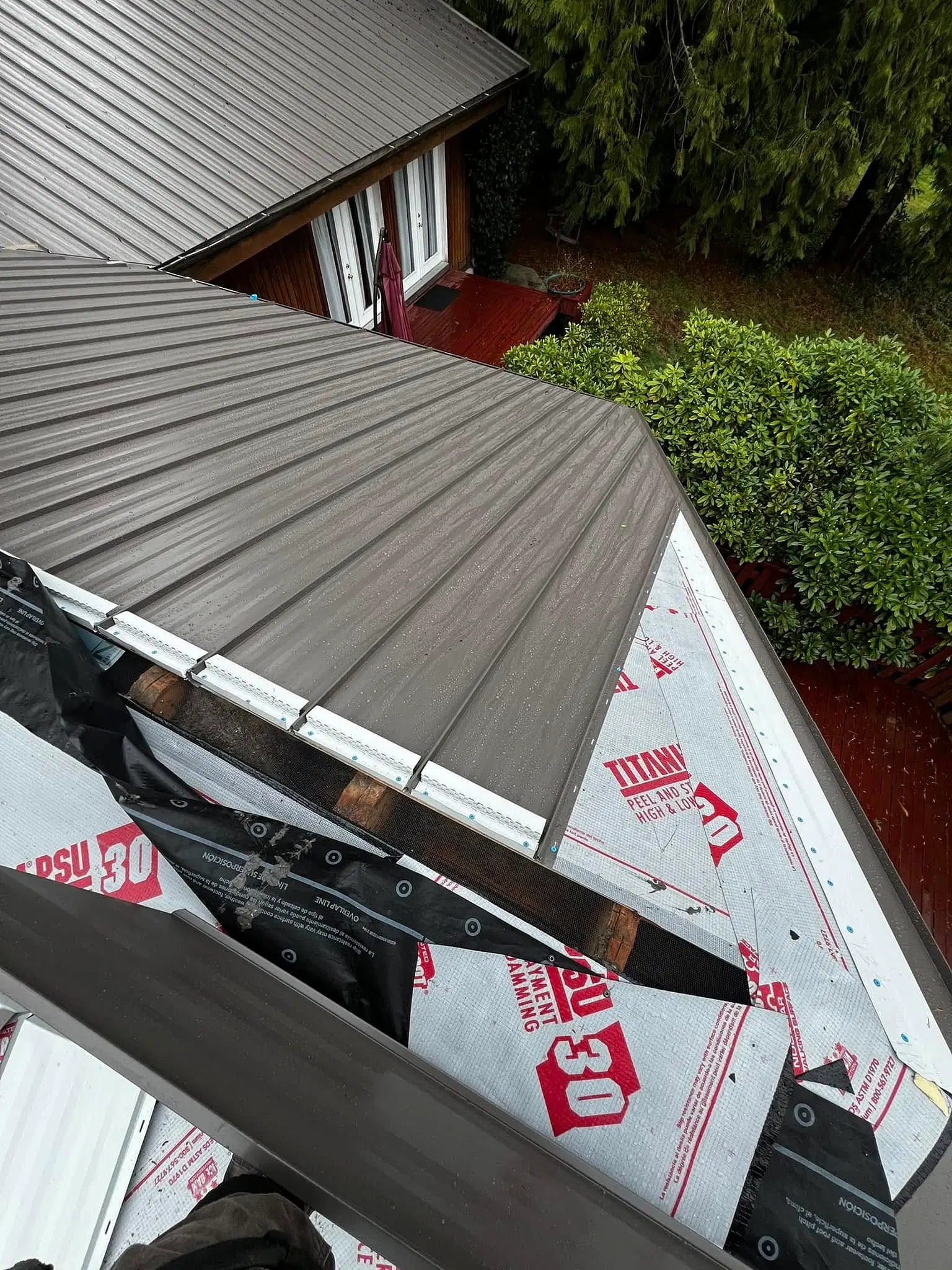
Metal roofing is particularly effective at shedding water and resisting moisture absorption. Quality metal panels will not rot, and their smooth surfaces generally give moss fewer opportunities to become established. Depending on the metal, coating, installation, and maintenance, a metal roof may last 40 to 70 years or longer.
Asphalt shingles typically last about 20 to 30 years, although exposure, ventilation, product quality, and workmanship can shorten or extend that range. Modern architectural shingles are substantially more durable than older three-tab products. Algae-resistant options are also increasingly popular for rainy climates because they help reduce staining.
Neither material is maintenance-free. Leaves and needles should be cleared, gutters kept open, and moss addressed before it lifts shingles or traps moisture. Metal roofs need periodic checks of seams, fasteners, coatings, and flashing. Asphalt roofs should be inspected for missing granules, curling edges, lifted shingles, and exposed fasteners.
If liquid sunshine has already found a way indoors, protect belongings, contain dripping water, and avoid climbing onto a wet roof. Arrange professional roof repairs promptly; a small opening around flashing can cause extensive decking and insulation damage when ignored.
Upfront Cost Versus Long-Term Value
Asphalt shingles usually have the lower initial installation cost. That makes them practical for budget-conscious homeowners, rental properties, and owners who may not remain in the house long enough to benefit fully from metal roofing’s extended service life.
Metal generally requires a larger upfront investment. The material costs more, and installation demands specialized tools, careful panel layout, and precise flashing work. Over a long ownership period, however, the longer potential lifespan may reduce the likelihood of paying for another complete replacement. Metal is also recyclable, making it appealing to homeowners interested in more sustainable roofing choices.
A responsible estimate should account for much more than roof size. Important cost factors include:
- Roof pitch, height, and accessibility
- Tear-off and disposal requirements
- Decking that needs repair or replacement
- Valleys, dormers, chimneys, and skylights
- Underlayment, flashing, and ventilation upgrades
- Panel profile or shingle product selected
- Permit requirements and current material pricing
Because material prices fluctuate, a detailed written proposal is more useful than a generic price-per-square estimate. It should define the product, preparation work, ventilation plan, potential decking charges, cleanup, and applicable workmanship and manufacturer warranties. That transparency helps prevent unexpected costs after work begins.
Appearance, Energy Efficiency, and Installation Quality
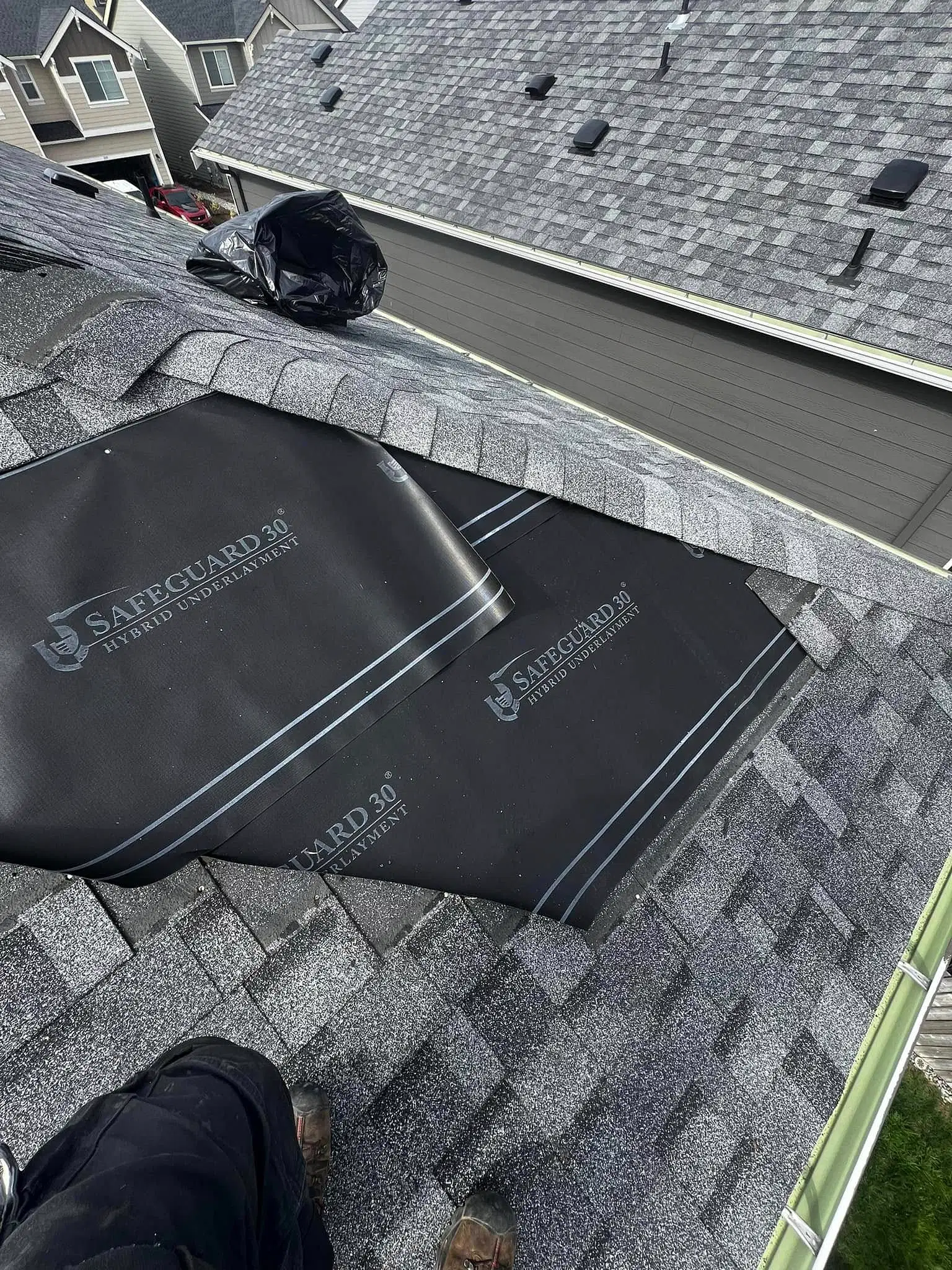
Asphalt shingles suit nearly every home style and come in many colors and dimensional profiles. They can recreate some of the texture of wood shake without the same maintenance demands, making them useful for a cedar shake conversion on an older home.
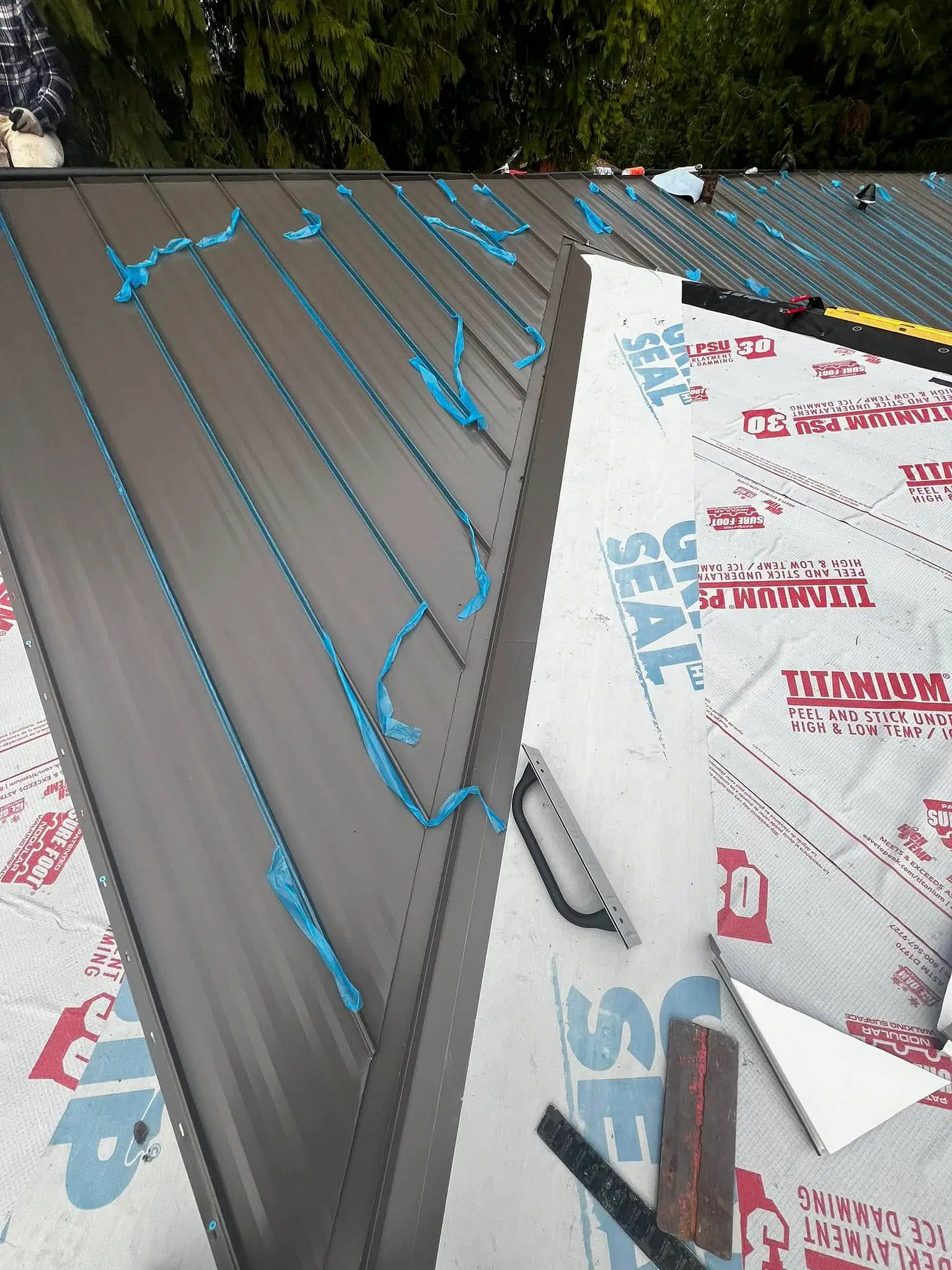
Metal roofing can look traditional or distinctly modern. Standing-seam panels create clean vertical lines, while other profiles can resemble shingles or shakes. Reflective finishes may reduce solar heat absorption during warmer months, but overall household efficiency also depends on attic insulation, air sealing, and ventilation. Current roofing trends increasingly treat the roof as a complete weather and energy-management system rather than a surface covering alone.
That system-based approach is central to how Continental roofing llc evaluates a roof replacement. The goal is to build from the deck up: inspect the sheathing, protect vulnerable areas with appropriate membranes, install underlayment and flashing carefully, and verify that ventilation can control moisture. A premium outer material cannot compensate for rotten decking, poor airflow, or rushed flashing.
The process should begin with measurements and an inspection of the roof, attic ventilation, decking, chimneys, skylights, and penetrations. Once the material and scope are approved, the contractor arranges scheduling and handles the required re-roof permit. In Snohomish County, permit and code requirements may affect ventilation, insulation, or other project details, so homeowners should confirm that these items are included rather than assumed.
Installation can sometimes proceed during the wet season, but weather windows and moisture protection matter. A safety-conscious contractor will avoid exposing more decking than the crew can protect, monitor the forecast, and keep waterproof coverings available. Scheduling flexibility is worthwhile; rushing solely to meet a date can put the home and crew at risk.
How to Make the Final Choice
Metal roofing may be the better fit if you prioritize maximum longevity, low moss susceptibility, efficient rain shedding, and reduced replacement frequency. Asphalt shingles may make more sense if initial affordability, familiar appearance, and a wide selection of styles are your leading concerns.
Before signing a contract, verify that the roofer is properly licensed, bonded, and insured. Ask for a detailed scope, local project photos, verified reviews, warranty information, and an explanation of how decking, flashing, and ventilation will be handled. Newer tools such as drone inspections and aerial measurements can improve accuracy, but they should complement—not replace—a knowledgeable examination of the full roofing system.
Continental roofing llc installs Metal Roofing and Shingle Roofing and also provides Roof Repairs, Gutter Installation & Repair, Residential Roofing, Commercial Roofing, and Flat Roofs. If you are weighing materials for a home in the North Sound, contact Continental roofing llc to schedule an inspection and receive a clear, project-specific proposal. The right choice is the roof that matches your budget today while providing dependable protection for the years ahead.