
How to Tell the Difference Between Attic Condensation and a Roof Leak
Living in the PNW means we are no strangers to wet weather. When the steady rain sets in and you suddenly notice a water stain spreading across your ceiling, it is easy to assume the worst. For many homeowners in Monroe and the surrounding communities, the immediate thought is that the roof has failed and an urgent fix is required. However, finding moisture in your upper floors does not always mean you have a hole in your shingles. Often, what looks like an active leak is actually a severe case of trapped moisture.
Understanding how to tell attic condensation from roof leak issues can save you a significant amount of stress. While both problems require professional attention to protect your home from water damage, their underlying causes and solutions are very different. Let us explore how you can identify the source of the moisture and what steps to take next.
Recognizing the Signs of an Active Leak
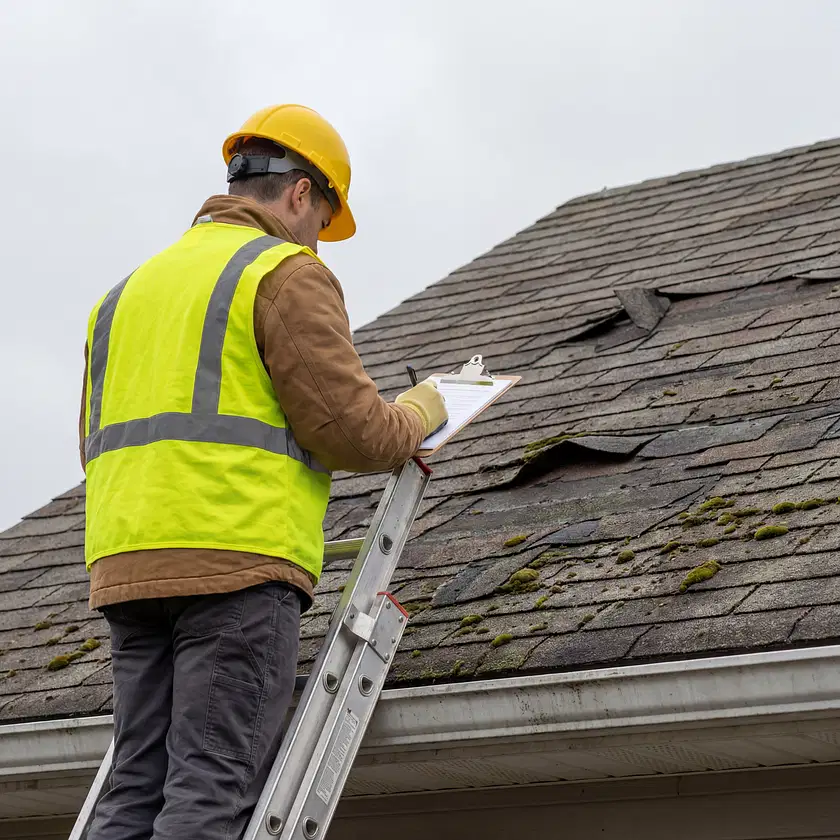
A genuine exterior leak occurs when water from the outside penetrates the defensive layers of your home and makes its way inside. This usually happens due to compromised exterior materials. Missing or cracked asphalt shingles, deteriorating underlayment, or damaged flashing around chimneys and skylights are the most common culprits. If a severe winter storm recently blew through the I-5 Corridor, high winds or falling debris might have caused sudden damage to the exterior.
When you are dealing with a direct breach, the signs are typically localized. You might see a distinct, dark brown ring on your ceiling directly beneath the compromised area, or you might find water dripping actively during a heavy rainstorm. If you climb into the upper crawlspace with a flashlight, you will likely see water tracking along the rafters or dripping straight down from a specific puncture point in the roof decking.
If you suspect exterior damage, scheduling a thorough roof inspection is crucial. Ignoring a small drip can lead to saturated insulation, rotting wood, and structural issues that dramatically increase roofing cost down the road. Local professionals can safely assess the exterior wear and tear, document the damage, and provide clear recommendations for a lasting roof repair.
The Hidden Threat of Trapped Moisture
Sometimes, the exterior of your home is perfectly intact, but you still have water dripping onto your ceilings. This is where condensation becomes the prime suspect. During our chilly winters, the warm, moist air generated inside your home from cooking, showering, and heating naturally rises. If your upper crawlspace lacks proper airflow, that warm air collides with the freezing cold underside of your roof deck. The result is condensation—water droplets forming on the wood and nails.
One of the most obvious signs of poor attic ventilation in winter is seeing a layer of white frost coating the nails that poke through the decking. When the sun comes out for a brief sunbreak and warms the shingles, that frost melts, causing a sudden indoor rain even on a completely clear day. Over time, this constant dampness leads to mold growth, ruined insulation, and even rotting plywood.
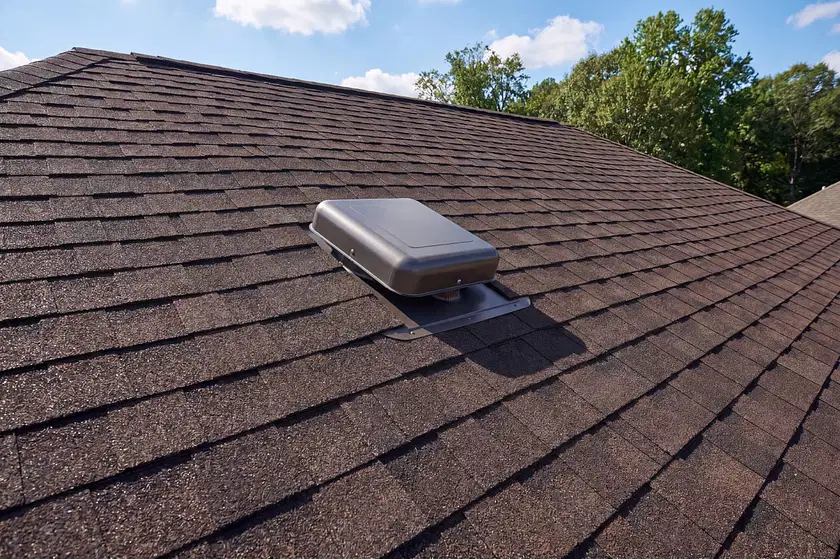
Fixing attic moisture under roof decking requires a holistic approach to your home's airflow. This involves evaluating the intake vents at your eaves and the exhaust vents at your ridge to ensure they are balanced. At Continental Roofing LLC, we believe that a quality installation starts from the deck up. If the underlying ventilation system is flawed, even the highest quality shingles will not perform correctly. Upgrading your airflow and completing necessary attic venting repairs will protect your structural integrity and keep your interior dry.
Finding the Right Solution for Your Home
Whether you are dealing with a localized puncture from storm debris or widespread moisture buildup due to poor airflow, resolving the issue quickly is the best way to protect your investment. Trying to diagnose the exact source of the water can be challenging without the right experience and safety equipment. The key is to look at the patterns: active dripping during a rainstorm points to an exterior breach, while widespread dampness, rusted nails, and winter frost point to an internal ventilation issue.
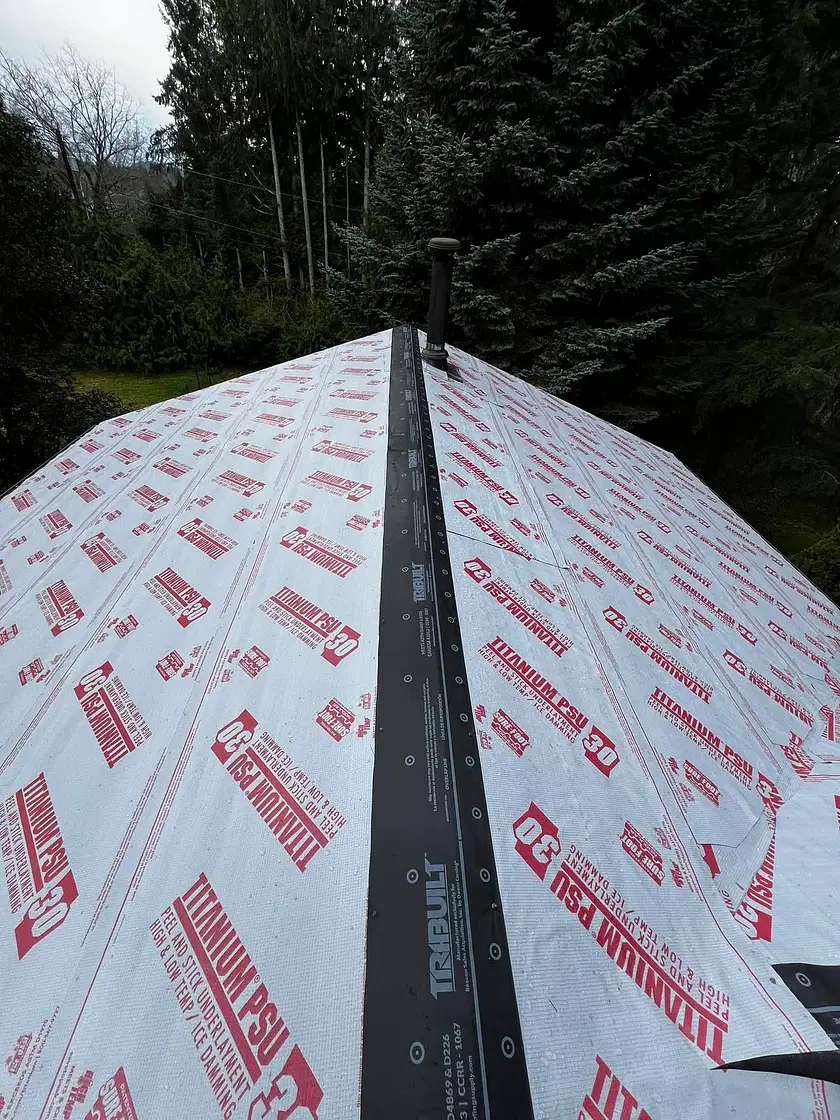
At Continental Roofing LLC, our philosophy is simple: build it once, build it right. When we come out to your property, we do not just look at the surface materials. We conduct a comprehensive assessment of your entire system, checking the flashing, the underlayment, the decking, and the airflow to ensure everything is working in harmony. If you are tired of worrying every time the dark clouds roll in, it might be time to bring in professional roofing services.
If you are seeing water stains or suspect your home is not breathing properly, do not wait for the problem to escalate into a costly roof damage repair. Reach out to us today to schedule a thorough evaluation in Monroe or across the Sound. Visit our contact page to get started, and let our team provide you with the honest, upfront guidance you need to keep your home safe, dry, and secure for decades to come.